When transport isn’t your core business, responsibility still applies.
If your organisation sends, receives or manages freight, obligations under the Heavy Vehicle National Law and Chain of Responsibility may extend further than expected, even when transport is outsourced.
We provide practical, commercially simple compliance frameworks so directors can confidently demonstrate reasonable steps.
We provide practical, commercially simple compliance frameworks so directors can confidently demonstrate reasonable steps.
Not sure if this applies to your business?
See common Blind Spots
Reliance Without Verification
Many businesses rely on transport providers but do not have structured monitoring or documented oversight in place.
Policy Without Evidence
Policies exist — but audit trails, training records and monitoring frameworks are not consistently embedded.
Delegation Mistaken for Accountability
Operational responsibility may be delegated, but legal accountability remains with the business.
If any of these sound familiar, a brief exposure review can clarify where you stand.
What Happens in a 30-Minute Exposure Review
In a short, structured conversation, we will:
• Clarify where Chain of Responsibility obligations may sit in your operation
• Identify any structural blind spots
• Outline 2–3 practical steps to strengthen oversight
Field-Grounded Compliance Advisory
Led by Urszula Kelly, Certified Auditor and Principal Advisor, Heavy Vehicle Compliance Advisory works with organisations across the Eastern states. We translate regulatory obligation into everyday operational clarity - tailored to how your business actually runs.

Urszula Kelly
Founder, Principal Advisor & Auditor

Darryl Brown
Advisor
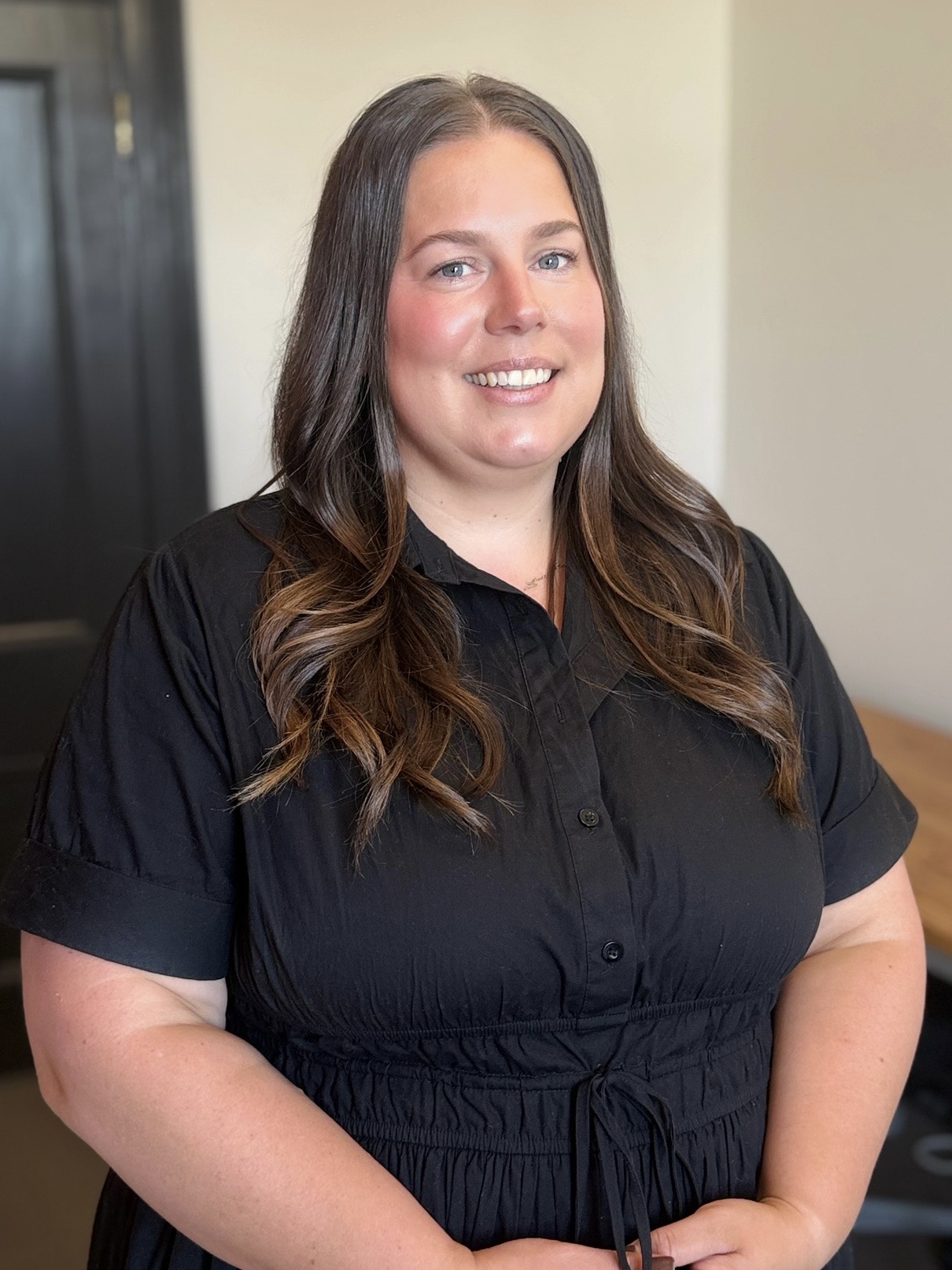
Mel Booth
Advisor & Auditor
Who We Help
Freight Owners
Retailers
Manufacturers
Resource Companies
Meet CoR obligations even when transport is outsourced, through practical controls, governance and defensible evidence.
3PLs & Contract Logistics Providers
Warehousing
Transport Providers
Build consistent assurance across sites, customers and subcontractor networks, without slowing operations.
Build consistent assurance across sites, customers, and subcontractor networks, without slowing operations.
Small & Growing Operators
Owner Drivers
Subcontractors
Fleet Managers
Put achievable controls and records in place that scale with growth and customer expectations.
Put achievable controls and records in place that scale with growth and customer expectations.
Our Services
Online CoR Self‑Assessment
Fast baseline with a risk‑rated gap analysis and prioritised action plan.
.
On‑Site CoR Audit
Evidence‑based assurance through interviews, walkthroughs and record sampling.
System Design & Implementation
Governance, controls, and documentation aligned to how your operation actually works.
Managed Compliance Support
Ongoing oversight, reporting cadence and action tracking to keep systems current and evidence healthy.
Notices, Investigations & Enforcement Response Support
Structured triage, evidence packs and corrective action programs when scrutiny escalates.
NHVAS Audits
Independent module audits and corrective action planning to support accreditation and ongoing compliance.
...
.
How We Work
Scope and priorities confirmed
We define your role in the chain, sites/functions in scope, risk profile, and reporting expectations.
Information and evidence review
We request and review relevant documentation, records and operational context to focus effort where it matters.
Audit
We complete interviews, walkthroughs and evidence sampling aligned to the agreed plan.
Findings, risk ratings and corrective actions
You receive clear findings, priorities, recommended controls and a corrective action pathway with ownership and timeframes.

Close‑out and next‑step pathway
We confirm practical next steps, whether implementation support, verification, or ongoing oversight is required.
frequently Asked Question
What does Heavy Vehicle National Law Advisory do?
We help organisations strengthen heavy vehicle compliance through practical controls, clear governance, and reliable evidence. The focus is to support safer operations, reduce exposure to enforcement action, and help your business demonstrate due diligence across the supply chain.
Who do you work with?
We work across the supply chain, including:
● freight owners (retailers, manufacturers, resource companies)
● 3PLs and contract logistics providers
● transport operators
● small and growing operators (owner-drivers, subcontractors, fleet managers)
Do you only work with transport operators?
No. Many organisations have exposure even if they don’t own or operate trucks. If your business influences transport outcomes through contracts, booking windows, site practices, delivery requirements, or carrier selection, obligations may apply.
Who leads the work?
Engagements are led by Urszula Kelly (Principal Advisor — Heavy Vehicle Compliance), supported by an internal specialist team to deliver across sites and business units.
Do you use third-party auditors or subcontractors?
No. Delivery is performed by our internal auditors and consultants under our own governance and quality processes.
Do you provide legal advice?
We provide compliance advisory and audit services focused on practical implementation and assurance. Where legal interpretation or representation is required, we can work alongside your legal counsel to support evidence, corrective actions, and implementation.
What’s the difference between a Health Check and an Audit?
A Health Check gives you a structured baseline and a prioritised action plan. An Audit is a formal assurance activity that includes interviews, walkthroughs, and evidence sampling to produce findings and corrective actions.
What is the Heavy Vehicle National Law (HVNL)?
HVNL is the main framework that sets safety and compliance requirements for heavy vehicle transport and related activities.
Where does the HVNL apply?
HVNL applies across participating jurisdictions. It has not commenced in Western Australia or the Northern Territory. Vehicles from those jurisdictions still need to comply when operating in HVNL jurisdictions.
What is Chain of Responsibility (CoR)?
CoR is the part of HVNL that makes safety a shared responsibility across the supply chain. Parties other than the driver can have duties where they influence transport outcomes.
What does the “primary duty” mean under CoR?
In plain terms: if you can influence heavy vehicle transport activities, you have a responsibility to help keep those activities safe—through the decisions you make and the controls you put in place.
What does “reasonably practicable” mean?
It means taking steps that are reasonable in the circumstances to manage safety risks in the activities you influence or control. What’s reasonable depends on the risk and your ability to influence the outcome.
Does CoR apply to freight owners (consignors and consignees)?
It can. Freight owners can influence outcomes through delivery windows, site practices, loading/unloading, contract terms, and carrier selection. If your practices influence transport activities, responsibilities may apply.
What does due diligence mean for executives and directors?
It means leaders are expected to actively oversee compliance—ensuring the right resources and processes are in place, and verifying that controls are working in practice.
What are common areas of exposure for businesses?
Common areas include:
● fatigue and scheduling practices
● time pressure created by delivery requirements and KPIs
● subcontractor and contractor governance
● loading/unloading interfaces and site practices
● incident management, corrective action close-out, and record retention
● Your specific risk profile depends on your operating model and your role in the supply chain.
What evidence should we keep to demonstrate due diligence?
Evidence should show your controls exist, are understood, and are operating. This typically includes:
● policies and procedures that match actual practice
● training and competency records
● risk and corrective action registers
● subcontractor verification and monitoring records
● incident records, investigations, and verified close-out
● governance reporting and review notes
● The right evidence set depends on your role and the risks you influence.
What is NHVAS?
NHVAS is an accreditation scheme for operators who want formal recognition of management systems and controls across specific modules.
What are the NHVAS modules?
For now, Modules include:
● Mass Management
● Maintenance Management
● Fatigue Management (Basic or Advanced)
The NHVAS is going through a major change which will be formally introduced as of the 1st of July 2026.
Do we need NHVAS to be compliant?
Not necessarily. Many organisations meet their obligations without NHVAS accreditation. NHVAS may be suitable where it supports access needs, customer requirements, or a structured compliance program.
What do you typically need from us to start?
Most engagements begin with a short scoping discussion and a structured information request. Depending on the service, this may include:
● operating model summary (sites, lanes, subcontractors, freight task)
● current policies and procedures
● sample records and registers (training, incidents, actions, scheduling controls, contractor checks)
● key contacts for interviews and walkthroughs
Do you work Australia-wide?
Yes. We work Australia-wide and support organisations operating across multiple jurisdictions. We account for jurisdictional context when scoping work.
What should we do if we receive a notice or face an investigation?
Timeframes and evidence integrity matter. Organisations typically need to:
● stabilise risk and implement immediate controls
● preserve and organise records
● establish a clear chronology and evidence index
● implement corrective actions with owners, timeframes, and verification
● Where legal counsel is engaged, compliance work should align to a coordinated response approach.
How do we get started?
Book a confidential consultation so we can confirm your role in the supply chain, your operating model, and the most efficient service option (Health Check, Audit, System Build, Retainer support, NHVAS audit, or response support).
Dedicated to providing independent, practical compliance advice, we help organisations manage risk, meet their obligations, and demonstrate due diligence with confidence.
